Dissemination
May 2026
The SMART-AGE project has now entered an active research and analysis phase across several work packages. Significant progress has been made in data collection, stakeholder engagement, and the development of shared research tools and methodologies among the consortium partners.
WP1 – Analysis of Policies Affecting Urban Accessibility of Older Adults
The data collection phase for the policy document analysis has been successfully completed. A comprehensive coding framework was developed to ensure methodological consistency across countries and regions. The collected policy documents are currently being analysed.
The objective is to better understand how themes such as ageing, accessibility, mobility, inclusion, and participation are embedded within broader policy and governance frameworks. The comparative analysis across national and regional contexts will help identify similarities, gaps, and innovative approaches in policymaking.
In parallel, preparations are underway for the next research phase. A semi-structured interview protocol is currently being finalised to guide interviews with policymakers and other relevant stakeholders. These interviews will provide additional insights into policy development processes, governance structures, implementation challenges, and future priorities related to ageing and mobility.
WP2 – Supply Side: Analysis of Market Practices and Mobility Services
Within Work Package 2, which focuses on the supply side of mobility and accessibility services, the consortium recently completed an important phase of stakeholder interviews across all partner cities: Antwerp, Brussels, Genoa, Milan, Szczecin, and Gorzów Wielkopolski.
To support this work, partners used a shared Interview Protocol as well as an optional Audit Tool that provided preliminary insights into local mobility infrastructures and services. Stakeholders included representatives from municipalities, transport and mobility operators, and NGOs.
The interviews generated valuable insights into the mobility services currently available to older adults, the extent to which these services respond to their needs, and which gaps and challenges still remain. The findings also highlighted how older adults are considered within existing mobility and transport policies and practices.
WP3 – Demand Side: Participatory Research with Older Adults
Work Package 3 is currently in an advanced phase of data collection. Questionnaires have already been completed in some case study areas, while data collection is still ongoing in others.
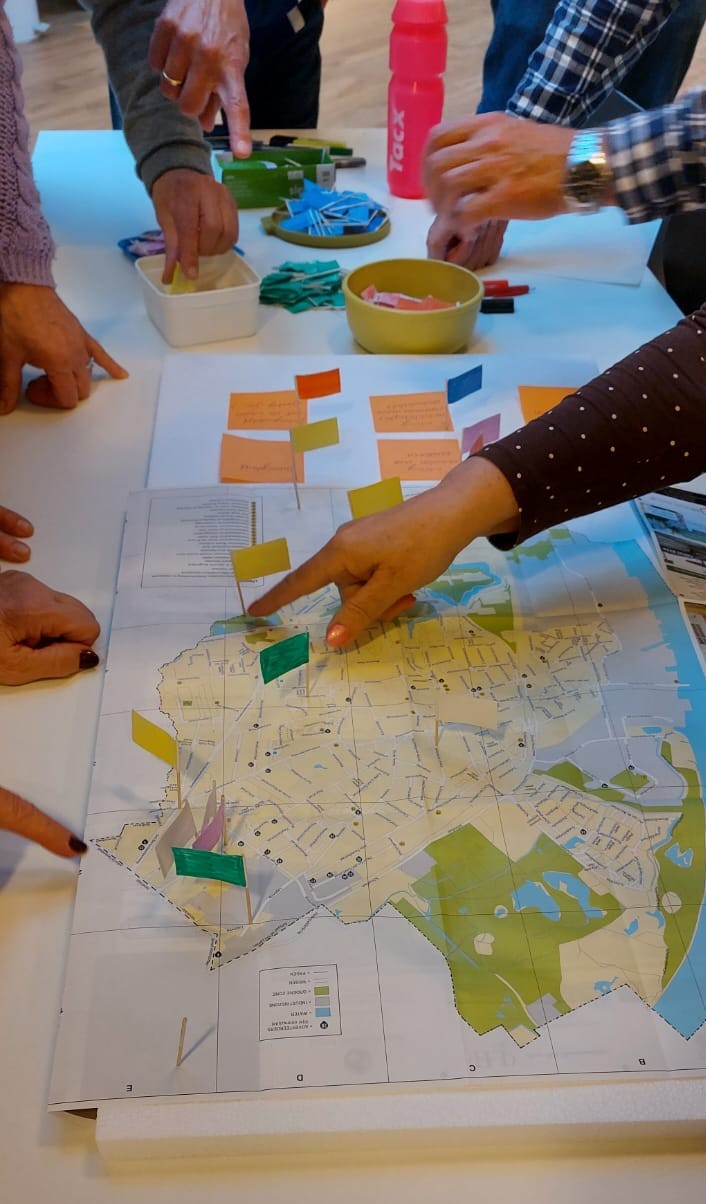
At the same time, the participatory research protocol has been developed and validated locally by project partners. Focus groups with older adults are now taking place to discuss and contextualise the first survey findings. These discussions aim to identify mobility-related needs, barriers, preferences, and opportunities from the perspective of older residents themselves.
The next phase of WP3 will involve mobility walks. These walks will allow researchers and participants to jointly explore neighbourhood environments and identify concrete accessibility issues and opportunities directly on site.
WP4 – Recommendations and Common Framework
Work Package 4 has not yet formally started, as its core activities depend on the completion of key outputs from WP1, WP2, and WP3. Current activities, therefore, mainly focus on coordination and preparatory alignment between partners.
Initial discussions have already explored how findings from policy analysis, supply-side research, and participatory demand-side research can be integrated into a shared framework for age-proof mobility and accessibility. The consortium has also confirmed the key stakeholder groups that will be involved in future co-design and validation activities, including older adults, mobility providers, and policymakers.